
Sandplay Therapy
What is Sandplay Therapy?
Sandplay Therapy
Sandplay Therapy is a type of psychotherapy, it is a powerful addition to verbal therapy and the nonverbal therapeutic technique developed by Dora M. Kalff in the late 1950. Based on Jungian psychology with the use of sand, water and figurines, you can create sand images within a “free and protected space” of the designed sandplay room , sand trays and a trust built therapeutic relationship. It provides access to our unconscious material in a visual yet visceral way through a series of sandplay images portrayed in the sand trays. An ongoing dialogue between the conscious and the unconscious aspects of the client’s psyche. It is a healing process and let us step onto our inner journey to reach our integrity. Sandplay therapy is an individual work and leading us to have a personal hero journey.
(adapted from ISST definition)
Why needs/ Who fits Sandplay Therapy?
A personal inner journey
(or it is called as a
hero journey)
Sandplay Therapy provides a safe and protective space for the client to undertake very deep work and access parts of the psyche that are not normally accessible. A well trained therapist will take great care of you with patience and accompany you with your inner journey. You will reach deeper levels of healing, and this complements and deepens the verbal work from counseling. It is also effective in healing pre-verbal or nonverbal trauma. You will find magic moments where your wound or emotions will be unfolded in the tray through the therapist viscerally and emotionally resonating with it. There is no interpretation on your sandplay work during the process as we provide free and protected space for your spontaneous exploration to your inner world.
Sandplay Therapy is not for everyone. Sometimes, you may prefer to talk or you may have experienced a lot of dreams you would like to share during your sessions. Some children will prefer to do play therapy rather than showing an interest in the sand or making a sand picture. Some adults will never use sandplay, and in fact shrink from the very idea of “playing with toys”. Many verbally articulate clients prefer to talk more rather than engage in sandplay work. Psychotic factors will be considered within the safety of having sandplay therapy sessions. It is due to the safe exploration of our inner world and how to have a constellation of our Self.
Who benefits from Sandplay Therapy?
Deep levels of healing
- Emotional Management
- Emotional Disturbance
- Depression
- Anxiety and Phobias
- Relationship Difficulties
- Life Transitions
- Difficulties with Self-Esteem
- Eating Issues
- Post-Traumatic Stress Disorder
- Professional/Career Issues
- College/Graduate School Issues
- Stress Management
- Attention Deficit Disorder (ADD)
- Attention Deficit/Hyperactivity Disorder (ADHD)
- Autism
- Intellectual Disability
- Sexual Abuse
- Spirituality
- Gender Identity Support
- Adjustment issues
- Parenting & Family Education
- Personal Growth
- Grief, Loss, or Bereavement
- Other Issues

Sand & Water
Sand and water are ancient, limitless and flowing substances of nature without boundary.They have several potential relationships in Sandplay Therapy. When water dominates, sand be shaped with structure, like a mound. Water represents for ocean which is the birthplace of life on our planet. It is a symbol in human psyche for collective unconscious, the birthplace of psychic life (Steinhardt, 2006).
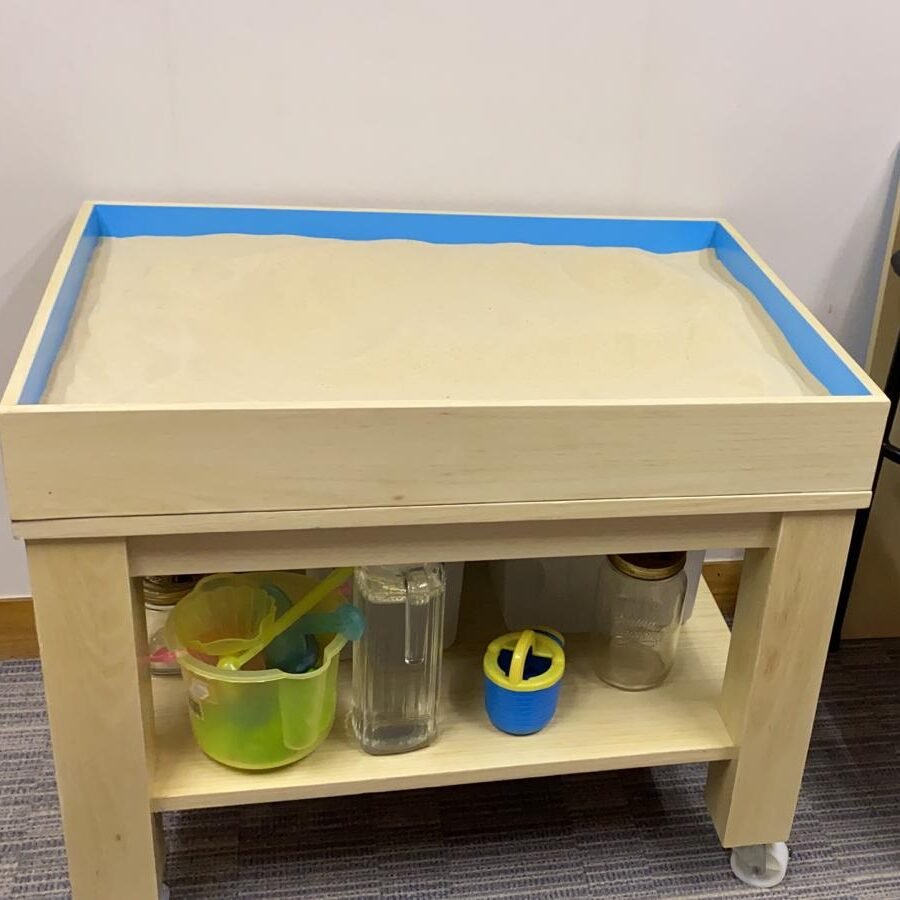
Sand trays
1 wet and 1 dry sand trays are included at the sandplay room. They are two rectangular wooden sandtrays, painted blue within (Steinhardt, 2000). Sandtray will contain sand and designed to provide a free and protect space for the client to access parts of the psyche that are not accessible. It is a rectangle with size 57cm*72cm*7cm. Inside, blue printed for representing ocean, sky or life energy.
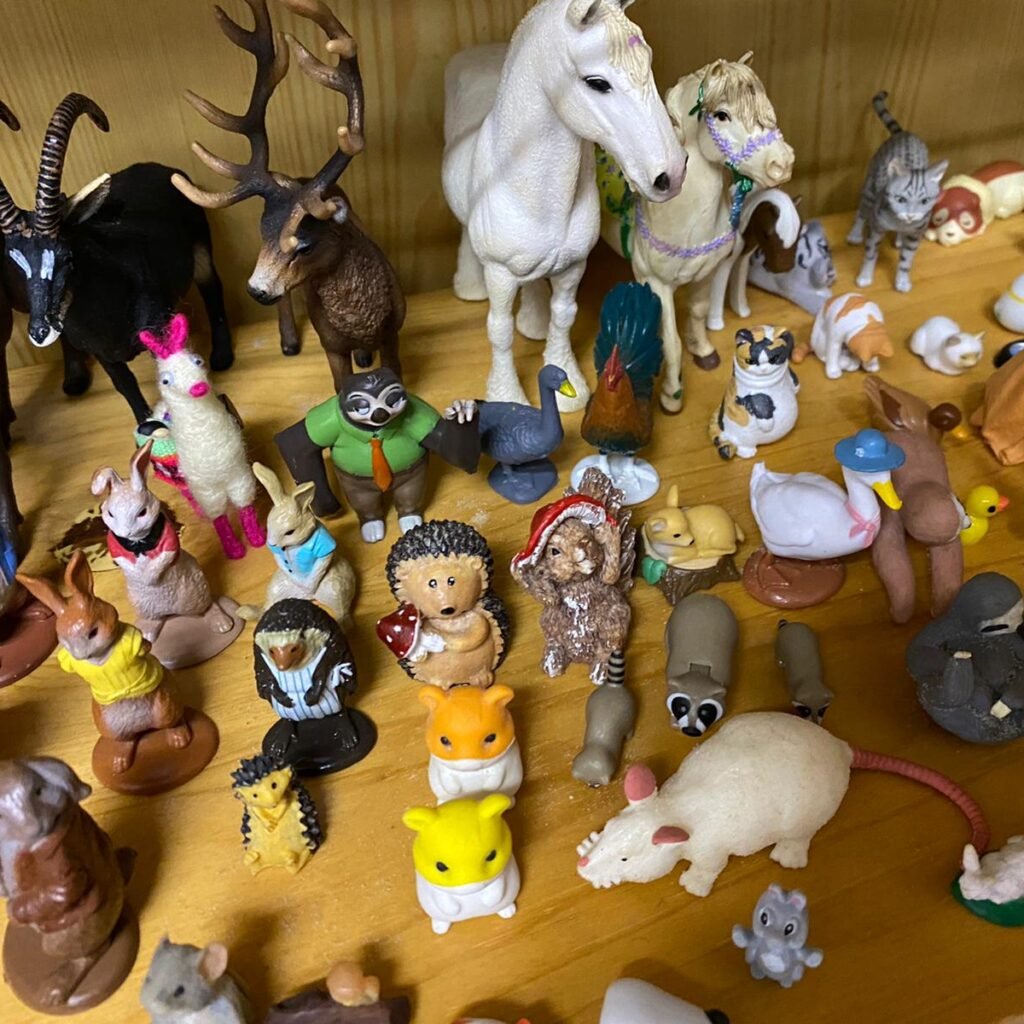
Figurines
Selected figurines are the symbols representing your inner world. Every sandplay therapist will base on some basic categories for the ground and then depend on his/her own preference and interest to have his/her collection. Thus, it is a fun for you to step in your therapist’s room to have a look of his/her collection.